When is a Night Guard for Teeth Grinding Recommended?
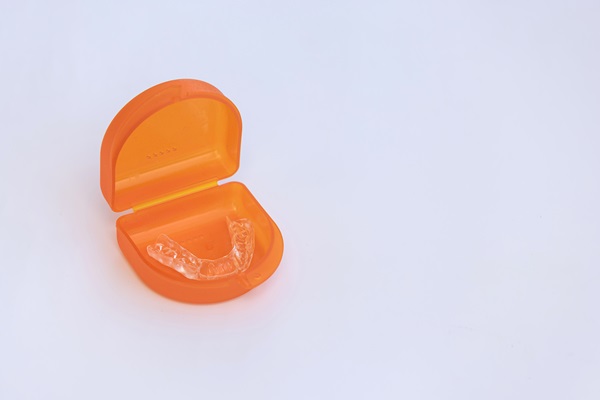
If you have noticed signs of teeth grinding, it might be time to talk to the dentist about getting a night guard. Patients dealing with the condition may wake up in the morning with sore jaws or a headache. The condition varies in severity, and it may be hard to determine the origin of the problem. Either way, a night guard can help protect the teeth from the effects of teeth grinding.
The need for a night guard
Also called a bite guard, this oral device is worn in the mouth and prevents the teeth from rubbing against each other. When the person clenches or grinds their teeth, the night guard will take the brunt of the impact instead of the teeth. Over time, the relentless grinding may cause deep grooves in the night guard. The nightguard prevents permanent harm to the teeth, such as worn-down enamel and tooth pain. Additionally, teeth may become chipped or damaged, necessitating costly restorative dental procedures for restoration.
The dentist will typically recommend a night guard after discovering any of the following signs:
Chipped tooth
A chipped tooth means a visit to the dentist for repairs, but it could also indicate a severe case of teeth grinding. As the teeth rub against each other and go back and forth, too much pressure on the enamel may eventually damage the teeth. Tooth damages are often expensive to fix. A weakened enamel also makes the tooth vulnerable to cavities, so it is advisable to get a night guard before additional damages occur.
Chronic teeth grinding
Some people grind their teeth occasionally due to temporary issues like workplace stress. In the case of chronic grinding, it will probably occur as a subconscious activity during sleep. However, nighttime teeth grinding require dental attention. Although it will not stop the habit itself, a night guard will reduce the negative impacts on the teeth.
Recurrent headaches
Waking up recurrently with a tension headache or migraine in the morning could result in nighttime teeth grinding. The dentist may examine the teeth to make the diagnosis. They may recommend a night guard and relaxation techniques to calm the patient at night and reduce the occurrence of teeth grinding.
TMJ disorder
The temporomandibular joint disorder is often caused by inflammation of the muscles surrounding the jaw joints, which can be traced back to clenching or grinding the teeth against each other. Patients who have been diagnosed with TMJ disorder can talk to their dentist about getting a night guard. It will limit the movement of the jaw joint and reduce bruxism, thus alleviating some of the discomfort or pain from TMJ disorder.
Use of antidepressants
Patients who take antidepressants may be advised to get a night guard from the dentist. According to a study published in 2012 by Clinics, paroxetine, the active ingredient in some antidepressants, can contribute to nighttime teeth grinding. The use of certain medications, such as Paxil, may also have this side effect. The medical professional will recommend a nightguard to protect the teeth against the side effects. Patients can also discuss with their doctor about modifying the dosage or changing the drug if teeth grinding becomes burdensome.
Getting a night guard from the dentist
The dentist can provide patients with a custom-fit nightguard. Protective nightguards tailored to each individual's teeth tend to be of better quality and more comfortable. To create a new custom nightguard, the dentist will need to make a mold of the patient's teeth. Then, before taking home the new mouth guard, the dentist will ensure it fits properly. In most cases, a custom-made night guard will cost more than a store-bought alternative. However, it may be more pleasant to wear in certain cases.
Caring for the nightguard
Patients can wear their mouthguard before bed and remove it after waking up. Wearing the device gets more comfortable over time. It is advisable to clean the device before and after every use. Wearers can either brush the mouthguard with a toothbrush and toothpaste or rinse it under clean, cold water. Keep the nightguard out of direct sunlight and high temperatures. Washing the device in hot water can cause the plastic to melt and no longer provide a secure fit. Keep the mouthpiece in a sealed container. A worn or loose guard should be replaced as soon as possible.
Final note
Teeth grinding is a prevalent problem, but with a night guard, individuals do not have to suffer the consequences. Talk to the dentist when noticing any signs of teeth grinding.
Please request an appointment here: https://www.islandparadisedental.com or call Island Paradise Dental at (239) 465-4999 for an appointment in our Marco Island office.
Check out what others are saying about our services on Yelp: Read our Yelp reviews.
Related Posts
Dental implants are a popular option for replacing missing teeth. While they offer the same aesthetic benefits as other replacement options, there are multiple other benefits provided by dental implants that alternatives fail to deliver.One crucial component of a dental implant is a titanium screw that is placed directly into the jawbone. The screw forms…
The options for replacing missing teeth have brought many people to choose between dentures and dental bridges. It is essential to replace missing teeth for several reasons. Your appearance is affected by missing teeth, and this alone is one of the main reasons people want to replace them. A missing tooth leaves behind a gap…
Typing find a dentist near me on the search bar will begin your journey to achieving your smile goals. Looking for the right provider can be difficult when so many practices are in your area. Knowing the benefits you can get can motivate you to expand your search. Here are the details you must consider…
A dental bridge is an option for replacing missing teeth that creates a literal bridge from one remaining permanent tooth to the next. Traditionally, these bridges consist of a false tooth, or pontic, connected to a crown placed upon adjacent teeth on either side, although similar, but modified types of bridges do exist.There are multiple…